Imagine waiting months for an appointment at a massive children’s hospital, only to leave feeling like just another number in a crowded system. It’s incredibly exhausting to navigate complex medical terms while worrying about how a diagnosis will impact your child’s school days and friendships here in Arizona. You want answers that make sense and a doctor who actually remembers your child’s name. Finding a dedicated pediatric seizure specialist Scottsdale families can truly rely on shouldn’t be another source of stress during an already difficult time.
We understand that your goal is a clear, definitive diagnosis and a management plan that prioritizes your child’s quality of life with minimal side effects. This article explores how specialized, private-practice neurological care provides the precise diagnosis and compassionate management your child deserves. We’ll look at the advantages of having direct access to your neurologist and how tailored treatment plans can help your child thrive in every social and academic setting. You don’t have to face the complexities of seizure disorders alone; the right partnership can make all the difference in your family’s journey toward stability and peace of mind.
Key Takeaways
- Identify why a specialized pediatric neurologist is essential for distinguishing between different seizure types and ensuring an accurate clinical diagnosis.
- Understand the critical medical difference between a one-time seizure event and a chronic epilepsy diagnosis to better manage your expectations.
- Learn how a dedicated pediatric seizure specialist Scottsdale parents trust can develop a customized plan aimed at achieving seizure freedom with minimal side effects.
- Discover how to effectively prepare for your child’s first evaluation by organizing medical history and capturing video evidence of neurological events.
- Gain insights into the private practice advantage, where personalized care and direct communication with your doctor replace the long waits of large hospital systems.
Finding a Dedicated Pediatric Seizure Specialist in Scottsdale
The moment a child experiences a seizure, time seems to stand still. For families in Scottsdale, that initial shock often triggers a frantic search for answers and a deep sense of uncertainty about the future. While the Phoenix East Valley provides numerous healthcare options, the massive scale of institutional systems can sometimes leave parents feeling isolated. Moving from a state of reactive fear to a proactive management mindset is a journey that starts with the right medical partnership. You need more than just a clinical diagnosis; you need a strategy that considers your child’s daily life, school performance, and long-term development.
A general practitioner is an essential part of your child’s health team, but they often lack the specialized tools to manage complex neurological conditions. Choosing a dedicated pediatric seizure specialist Scottsdale families can rely on ensures that your child’s brain health is evaluated with the highest level of precision. This specialized focus is what transforms a confusing medical crisis into a manageable path forward.
The Role of a Pediatric Neurologist in Seizure Care
Pediatric neurologists undergo years of rigorous training focused specifically on the maturing brain. This expertise is vital because childhood seizures don’t always look like the "grand mal" events often depicted in media. A specialist is skilled at differentiating between true seizures and "seizure mimics," such as fainting spells, breath-holding episodes, or sleep disorders. By Understanding Childhood Seizures and Epilepsy through a clinical lens, a neurologist can intervene early to protect cognitive development. Early, accurate intervention is the best way to prevent seizures from interfering with a child’s ability to learn and grow alongside their peers.
Why Arizona Parents Seek Private Practice Care
In recent years, many families have moved away from large hospital groups in favor of the private practice model. The primary benefit is the consistency of care. At Blue Cactus Neurology, you aren’t passed between rotating residents or different staff members at every visit. Instead, you work directly with Dr. Ramzy Medaa, allowing for a deeper level of trust and a more nuanced understanding of your child’s history. Personalized attention means your concerns are heard, and your questions are answered without the pressure of a high-volume waiting room. This direct access simplifies the administrative process and ensures that when a question arises about a medication or a new symptom, you have a direct line to the expert who knows your child best.
Understanding Childhood Seizures and Epilepsy Diagnosis
A seizure is essentially a temporary disruption in the brain’s electrical activity. It’s like a sudden electrical storm where neurons fire in an uncoordinated way, causing temporary changes in behavior, movement, or consciousness. While witnessing one seizure is frightening, it doesn’t always lead to a diagnosis of epilepsy. Doctors generally define epilepsy as two or more unprovoked seizures occurring more than 24 hours apart. Determining the exact cause requires a pediatric seizure specialist Scottsdale parents can rely on for clinical precision and calm guidance.
Common Pediatric Seizure Types
Seizures are categorized by how and where they begin in the brain. Absence seizures are frequently missed because they look like brief staring spells or simple daydreaming. During these episodes, a child might stop mid-sentence and remain unresponsive for several seconds before returning to normal. Generalized seizures involve the entire brain from the start, while focal seizures begin in one specific region. Understanding these distinctions is a core part of Comprehensive Seizure Management. Additionally, many toddlers experience febrile seizures triggered by a rapid spike in body temperature. While these are usually not indicative of long-term epilepsy, they still require a professional evaluation to ensure your child’s safety.
Modern Diagnostic Tools for Kids
Modern neurology uses several non-invasive tools to map brain health. An Electroencephalogram (EEG) is the gold standard, as it measures the electrical activity of the brain through small sensors. This test helps identify abnormal patterns even when a child isn’t actively having a seizure. If your specialist needs to see the physical structure of the brain, they may recommend an MRI to rule out lesions or developmental variations. Beyond these high-tech tests, your own observations are incredibly powerful. Clinical observation combined with parent-recorded video often provides the missing piece of the puzzle. If you have captured an episode on your phone, you can request an evaluation to have those videos reviewed by a specialist who understands the nuances of pediatric brain development.
Documenting what happens before, during, and after an event is vital. Note the duration, any repetitive movements, and how long it takes for your child to feel like themselves again. This data, combined with a thorough neurological exam, allows a pediatric seizure specialist Scottsdale families trust to build a clear diagnostic picture. With an accurate diagnosis in hand, the focus shifts from uncertainty to a structured plan for your child’s wellbeing.
Comprehensive Seizure Management and Treatment Plans
Managing a child’s neurological health is a dynamic process that evolves as they grow. The primary objective is twofold: achieving complete seizure control while ensuring the treatment doesn’t interfere with their personality, energy levels, or learning ability. Because every child’s brain chemistry is unique, a one-size-fits-all approach is never effective. A dedicated pediatric seizure specialist Scottsdale families trust will look beyond just the EEG results to consider the child’s daily routine, sleep patterns, and academic goals.
Effective management requires a deep understanding of how different treatments interact with a developing nervous system. For many families, Understanding Epilepsy and Seizures from a clinical perspective helps demystify the choices made during the management journey. This partnership between the doctor and the family ensures that the plan remains responsive to the child’s changing needs over time, providing a sense of professional order and reliability.
Medication Management for Children
When anti-seizure medications are necessary, the guiding philosophy is to "start low and go slow." This method allows the brain to adjust to the medication, helping us identify the lowest effective dose while minimizing potential side effects. It’s vital to monitor for subtle changes in behavior, such as increased irritability or a sudden dip in school performance, which can sometimes be side effects of the treatment rather than the condition itself. If a child doesn’t respond well to initial medications, we explore alternative therapies, ensuring the management strategy remains as gentle as it is thorough.
Integrating Care with Arizona Schools
A child’s life isn’t confined to a clinic, which is why a comprehensive plan must extend into the classroom. We work closely with parents to develop a formal Seizure Action Plan. This document provides clear, step-by-step instructions for teachers and school nurses on how to respond if a seizure occurs during the school day. A formal plan typically includes:
- Detailed descriptions of the child’s specific seizure symptoms.
- Step-by-step first aid instructions for classroom staff.
- Emergency contact information and medication administration protocols.
- Clear guidelines for when to call emergency services.
In the Scottsdale Unified School District, coordinating with school officials to establish a 504 plan can provide necessary accommodations, such as extra time for testing or modified physical education requirements. Educating the school community is also a priority. By providing clear information to staff and peers, we can reduce the stigma surrounding epilepsy and ensure the child feels safe and supported in their social environment. This local, community-focused approach is a hallmark of working with a pediatric seizure specialist Scottsdale residents rely on for holistic care.
While these accommodations address academic structure, supporting a child’s emotional response to school pressure is also vital. For families looking for ways to help their children navigate the stress of exams, Balanced Minds Psychology & Wellness provides evidence-based psychological support for students.
Navigating the Diagnostic Journey in Phoenix Arizona
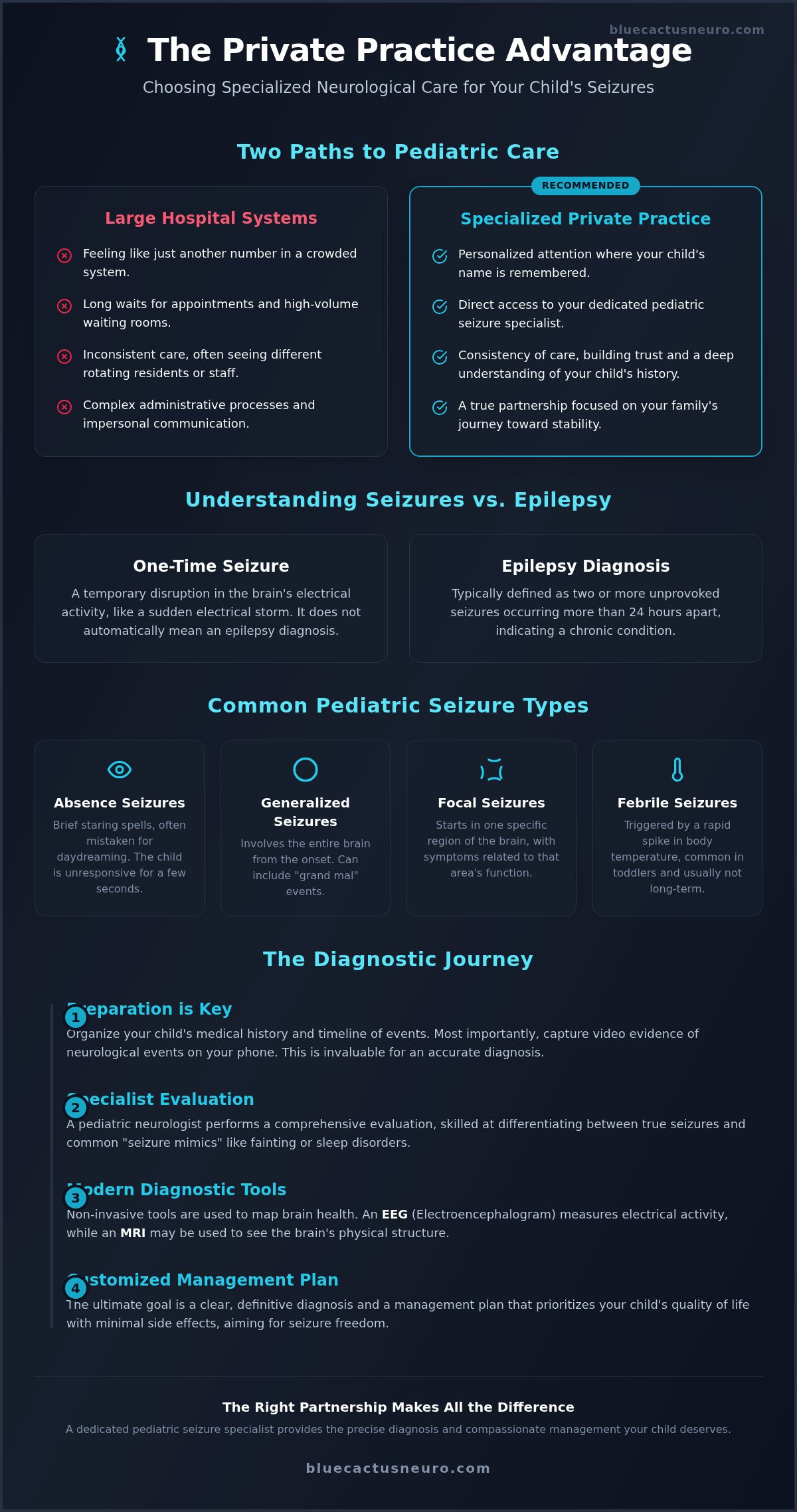
The first step toward clinical clarity is often the most daunting. While large hospital systems might emphasize high-tech robotics or complex referral chains, the heart of a successful diagnosis lies in a detailed, unhurried conversation between you and your doctor. Preparing for this visit doesn’t have to be overwhelming. By gathering specific information beforehand, you ensure your time with a pediatric seizure specialist Scottsdale families trust is as productive and informative as possible.
Please bring your child’s complete medical records, including birth history and any developmental milestones that felt delayed. If you’ve managed to capture video evidence of an episode, have it ready on your phone. These recordings are invaluable. They allow the specialist to observe the event’s physical characteristics directly, which is often more accurate than a verbal description alone. Having these details ready helps us build a thorough clinical history without the rush of a crowded waiting room.
Step-by-Step: Your First Visit to a Specialist
During the initial consultation, Dr. Medaa performs a comprehensive neurological physical exam. This includes testing your child’s reflexes, muscle strength, and coordination in a gentle, non-intimidating environment. When you visit a pediatric seizure specialist Scottsdale parents recommend, we spend a significant portion of the visit reviewing the seizure timeline and looking for potential triggers like sleep deprivation or illness. This clinical history forms the foundation of the diagnostic roadmap, which may include an EEG, blood work, or neuroimaging to rule out underlying metabolic issues or structural variations.
Local Resources for Arizona Families
Living in the Sonoran Desert presents unique challenges for kids with neurological conditions. The extreme Arizona heat can lead to rapid dehydration, which is known to lower seizure thresholds in some children. It’s essential to maintain a strict hydration schedule during the summer months to protect your child’s stability. For families needing customized medication doses, several Scottsdale pharmacies specialize in pediatric compounding to make treatment administration easier at home. You can also discover Royal Care Companion if you require flexible, on-demand home caregiving support during particularly busy or challenging periods. Additionally, connecting with local support groups in Maricopa County can provide a community of parents who truly understand the daily realities of managing childhood epilepsy.
Taking that first step toward an expert evaluation provides the definitive answers your family deserves. If you’re ready to move forward, you can schedule your child’s initial consultation to begin this journey in a supportive, private-practice setting where your child’s well-being is the only priority.
Why Arizona Families Choose Blue Cactus Neurology
Choosing a healthcare partner for your child is one of the most significant decisions a parent can make. In a landscape often dominated by massive, impersonal medical groups, Blue Cactus Neurology stands apart by prioritizing the human element of pediatric medicine. As a leading pediatric seizure specialist Scottsdale families trust, Dr. Ramzy Medaa combines advanced clinical knowledge with a patient-centered philosophy. This approach ensures that your child isn’t just another chart number, but a valued individual with a unique developmental path.
Our practice serves as a convenient hub for families throughout the East Valley, providing expert care for complex neurological disorders in an accessible, local setting. We recognize that seizures often don’t exist in isolation. That’s why we provide comprehensive management that addresses the intersection of seizure disorders with other conditions, such as ADHD, Autism Spectrum Disorder, and Traumatic Brain Injury (TBI). By treating the whole child rather than just a single symptom, we help our patients achieve better overall stability and a higher quality of life.
The Private Practice Advantage
The most immediate benefit of choosing a private practice is the reduction of administrative red tape. Parents often come to us after feeling frustrated by the long wait times and rotating staff at larger institutions. At Blue Cactus Neurology, we offer:
- Direct Communication: You have a clear line of access to Dr. Medaa, ensuring your questions are answered by the expert who knows your child’s history best.
- A Calm Environment: Our Scottsdale office is designed to be a sanctuary, reducing the "white coat anxiety" that children often feel in hospital settings.
- Efficient Scheduling: We prioritize timely appointments and follow-ups, recognizing that when it comes to neurological health, every day counts.
Commitment to Long-Term Outcomes
Neurological care is a marathon, not a sprint. We’re committed to supporting your family from the first signs of a seizure in infancy all the way through the challenges of adolescence. This long-term perspective allows us to track developmental milestones closely, ensuring that seizure treatments don’t hinder a child’s cognitive or social progress. We view parents as the ultimate advocates for their child’s health. By providing you with the data, education, and professional support you need, we empower you to make informed decisions at every stage of the journey. Partnering with a dedicated pediatric seizure specialist Scottsdale residents rely on means having a steady, authoritative guide through every transition your child faces.
Empowering Your Child’s Neurological Journey
Navigating a seizure disorder is a significant challenge for any family, but clinical clarity is the first step toward a stable future. We’ve explored how a precise diagnosis and a proactive management plan can transform your child’s quality of life, ensuring they thrive both at home and in school. By choosing a private practice environment, you gain the advantage of consistent, unhurried care that prioritizes your child’s unique developmental milestones alongside seizure control.
Working with a dedicated **pediatric seizure specialist Phoenix **families trust allows for a deeper medical partnership and direct access to expert guidance. Dr. Ramzy Medaa and the team at Blue Cactus Neurology specialize in outpatient seizure management, serving families across Scottsdale, Phoenix, and the entire East Valley. We’re dedicated to providing the sophisticated care your child needs with the empathetic warmth your family deserves.
If you’re ready to move from uncertainty to a clear, compassionate management plan, schedule a consultation with our Scottsdale pediatric seizure specialist today. Your child’s potential is limitless, and we’re here to help them reach it with confidence and peace of mind.
Frequently Asked Questions
When should I see a pediatric seizure specialist in Phoenix?
You should seek a specialist if your child has experienced an unprovoked seizure, repetitive staring spells, or unusual rhythmic movements. While a pediatrician can provide initial care, a pediatric seizure specialist Scottsdale families trust offers the specialized diagnostic tools needed to distinguish between different neurological events. Early consultation is vital to ensure that brain development remains on track and to prevent future episodes from interfering with your child’s learning.
What is the difference between a seizure and epilepsy?
A seizure is a single event of abnormal electrical activity in the brain, while epilepsy is a chronic condition defined by two or more unprovoked seizures. Not every child who has a seizure will develop epilepsy. Many factors, including high fevers or metabolic imbalances, can cause a one-time event. A specialist performs a comprehensive evaluation to determine if the episodes are likely to recur, helping you understand the long-term outlook for your child.
Will my child have to stay in the hospital for an EEG?
Most routine EEGs are outpatient procedures that don’t require an overnight hospital stay. During the test, small sensors are placed on your child’s scalp to record brain waves while they rest or sleep. This process is entirely painless and non-invasive. If a longer monitoring period is needed to capture specific events, your neurologist will discuss the best setting for the test, ensuring your child feels safe and comfortable throughout the diagnostic process.
Are there specific seizure triggers common in the Arizona climate?
Yes, the extreme Arizona heat can increase seizure risks due to dehydration and heat exhaustion. High temperatures can stress the nervous system, making it easier for a seizure to occur. It’s essential to keep your child well-hydrated and avoid prolonged outdoor activity during peak summer hours. Maintaining a cool environment and ensuring consistent sleep patterns are also critical strategies for managing seizure thresholds in our unique desert climate.
Can a child outgrow a seizure disorder?
Many children do outgrow certain types of childhood epilepsy as their brains mature and develop. Specifically, conditions like childhood absence epilepsy often resolve by adolescence. However, this depends entirely on the specific seizure type and the underlying cause. We monitor your child’s progress through regular evaluations and follow-up EEGs to determine if and when it’s safe to consider tapering medications under strict medical supervision.
How do I explain my child’s seizures to their school?
Start by explaining that seizures are a medical condition, not a behavioral or intellectual issue. It’s helpful to describe exactly what your child’s episodes look like, as some seizures are subtle. Provide the school with a clear Action Plan and discuss how they can help your child feel socially included. Ensuring teachers and peers understand the condition helps reduce stigma and creates a supportive environment for your child’s academic success.
What should I do if my child has a seizure at home?
Stay calm, time the seizure, and clear the area of hard or sharp objects to prevent injury. Gently turn your child onto their side to keep their airway clear and never place anything in their mouth. Most seizures end on their own within a few minutes. You should call emergency services if the seizure lasts longer than five minutes or if your child has difficulty breathing afterward. Always notify your neurologist about the event.