For many parents, the sight of their child shaking during a fever is the most frightening moment they will ever face. While febrile seizures in toddlers affect up to 5 percent of children between six months and five years of age, the immediate fear of brain damage or life-long epilepsy is often more overwhelming than the medical reality itself. It’s a terrifying experience that leaves you feeling helpless and deeply uncertain about your child’s future safety.
We understand that you need more than just clinical definitions; you need reassurance and a practical plan. It’s completely natural to feel anxious about recurring fevers or to struggle with distinguishing a shivering chill from a true convulsion. This guide will provide you with the clarity you deserve, helping you identify symptoms quickly and manage these events with calm confidence. You’ll learn why most of these episodes are harmless and how to seek expert neurological care to protect your child’s health and your own peace of mind.
We will examine the critical differences between simple and complex seizures, the actual risk of developing epilepsy, and the specific steps for follow-up care with a specialist in Scottsdale. This overview ensures you have a clear, professional roadmap for your child’s developmental journey.
Key Takeaways
- Identify the physiological “threshold” that triggers seizures when a child’s temperature rises rapidly above 100.4°F.
- Distinguish between simple and complex seizures to determine if your child requires a routine follow-up or specialized diagnostic testing.
- Master a calm, step-by-step emergency response plan, including proper side-positioning and duration tracking to ensure safety during an episode.
- Understand the specific role a pediatric neurologist plays in evaluating febrile seizures in toddlers to rule out epilepsy and other neurological concerns.
- Establish a clear path for recovery with specialized outpatient evaluations in Scottsdale that prioritize your family’s emotional and medical needs.
What is a Febrile Seizure? Understanding the Basics
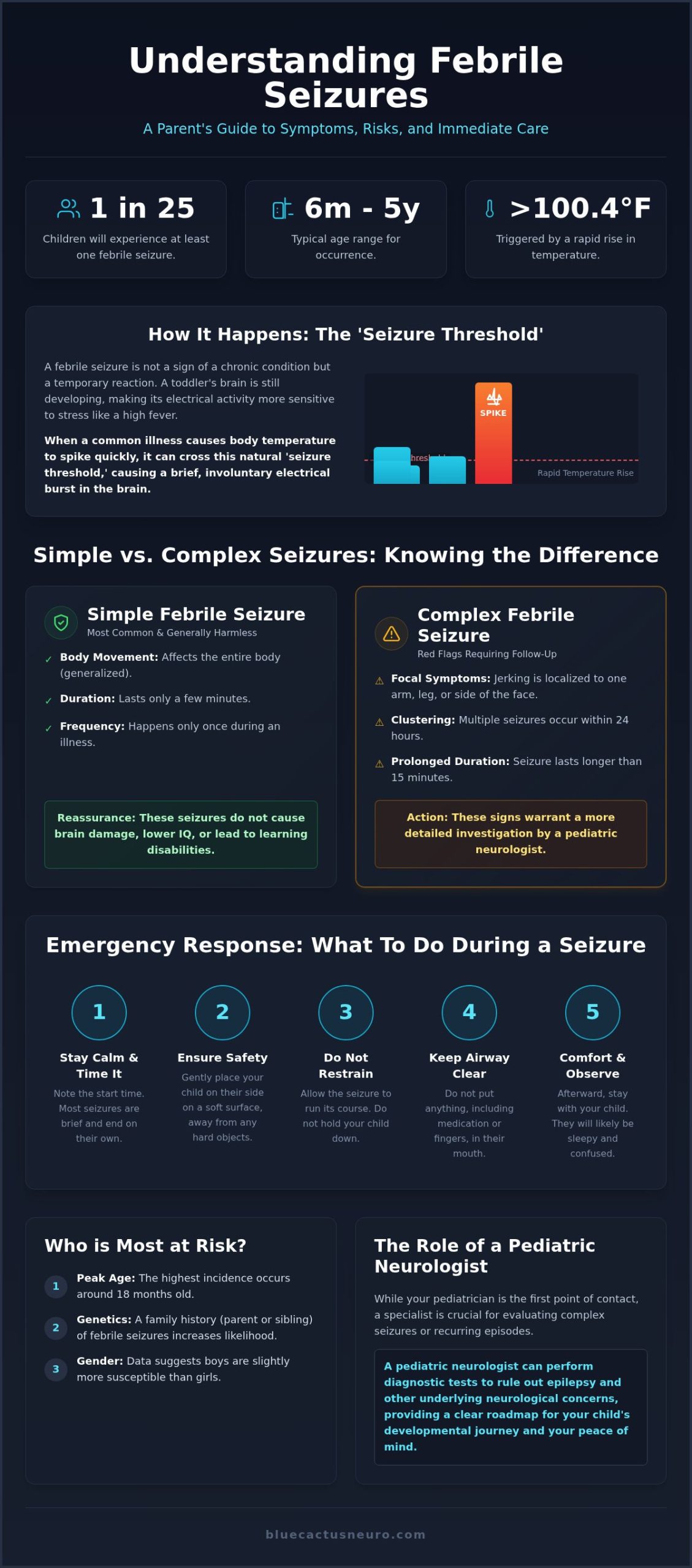
A febrile seizure is a convulsion triggered by a rapid rise in body temperature, typically exceeding 100.4°F. For many parents, it’s the first time they witness their child lose consciousness or shake uncontrollably, which can be deeply distressing. It’s essential to understand that febrile seizures in toddlers are often the brain’s temporary reaction to a common illness rather than a sign of a chronic neurological condition. Approximately 1 in 25 children will experience at least one of these events before their fifth birthday, usually between the ages of 6 months and 5 years.
Every child has what specialists call a “seizure threshold.” This is essentially the point at which the brain’s electrical activity becomes disorganized under stress. In toddlers, this threshold is naturally lower because their nervous systems are still maturing and developing. When a fever from a common infection like the flu or an ear infection spikes quickly, it can cross this threshold, resulting in a brief, involuntary electrical burst in the brain.
The Biological Mechanism of Fever and the Brain
The brain relies on delicate electrical signals to function. When a toddler’s temperature climbs rapidly, the heat can cause these signals to misfire temporarily. This isn’t caused by the infection itself, but rather by the body’s inflammatory response as it works to fight off a virus or bacteria. It’s a symptom of the fever, not a standalone disease. Understanding the distinction between Simple vs. Complex Febrile Seizures helps parents recognize that these episodes are usually self-limiting and don’t cause permanent brain damage. The focus of care remains on managing the underlying fever and ensuring the child’s comfort during recovery.
Who is Most at Risk?
While any child can experience a seizure during a fever, certain factors increase the likelihood of febrile seizures in toddlers. Most events occur during the peak incidence age of 18 months, when the brain is particularly sensitive to temperature fluctuations. Genetics also play a significant role; if a parent or sibling has a history of these seizures, a child is more likely to experience one. Scientific data also suggests that boys are slightly more susceptible than girls, though the reasons for this gender gap are still being studied. Knowing these risk factors doesn’t prevent the seizure, but it does help families prepare for the possibility when a fever strikes. Parents who want to deepen their understanding of what causes seizures in children, including the role of genetic predisposition and environmental triggers, will find a thorough breakdown of these contributing factors especially helpful.
Simple vs. Complex Febrile Seizures: Knowing the Difference
While the initial experience of seeing your child seize is overwhelming, medical professionals categorize these events into two distinct types. Understanding this classification helps determine the necessary level of follow-up care. Most febrile seizures in toddlers fall into the simple category, which typically resolves quickly without long-term consequences. However, some children experience complex seizures that require a more detailed investigation by a specialist.
In Arizona, our unique climate adds a layer of complexity to childhood illnesses. Rapid dehydration during the dry desert heat can cause a toddler’s internal temperature to climb much faster than expected. This sudden spike often acts as a primary trigger for a seizure. Common viral culprits, such as Roseola or the seasonal influenza strains seen during the Arizona flu season, are frequently associated with these events. According to the National Institute of Neurological Disorders and Stroke, these seizures are generally categorized by their duration and how they affect the body.
Identifying a Simple Febrile Seizure
A simple seizure involves the entire body. You will likely see rhythmic jerking of all limbs and a brief loss of consciousness. Afterward, your child will enter a postictal state, characterized by deep sleepiness or confusion. It’s vital for parents to know that simple seizures do not cause brain damage, lower a child’s IQ, or result in learning disabilities. They are a temporary physiological reaction, not a permanent injury. Most simple episodes last only a few minutes and do not require emergency medication.
Red Flags of a Complex Febrile Seizure
A complex seizure is defined by specific red flags that differentiate it from the standard variety. These include focal symptoms, where the jerking is localized to only one arm, one leg, or one side of the face. Another concern is clustering, where multiple seizures occur within the same 24-hour period. Any seizure lasting longer than 15 minutes also falls into this category. A complex seizure is a clinical indicator that your child requires an immediate neurological follow-up to ensure there are no underlying conditions. Families navigating these concerns may also benefit from reviewing a detailed guide to signs of seizure disorder in children to better recognize subtle symptoms that can accompany or follow febrile events.
About 30 percent of children who have one seizure will experience another during a future fever. This risk increases to 50 percent if the first event happened before the child turned one. If you find yourself anxious about the possibility of recurrence, a compassionate consultation with a specialist can provide the answers you need. You might consider an unhurried evaluation with Blue Cactus Neurology to establish a clear management plan for your family.
Emergency Response: What to Do During a Seizure
When you witness your child having a seizure, your primary goal is to ensure their immediate safety. While the event feels like it lasts for hours, most febrile seizures in toddlers resolve on their own within a few minutes. Having a clear, chronological action plan helps you remain focused and provides your medical team with the information they need later. Following these steps ensures your child is protected from injury while the seizure runs its course.
The first and most vital step is to stay calm and immediately check the time. Tracking the duration is essential for determining if emergency intervention is necessary. You should follow these specific safety guidelines on What to do during a seizure:
- Place the child on their side: Use a soft surface if possible. This “recovery position” keeps the airway clear and prevents choking or aspiration.
- Clear the area: Remove any hard, sharp, or heavy objects that could cause injury during involuntary movements.
- Do not restrain them: Never try to stop the movements or hold the child down, as this can lead to bone or muscle injury.
- Keep the mouth clear: It’s a common myth that children can swallow their tongues. Never put fingers, spoons, or medication into their mouth during a seizure.
- Observe and record: Once the shaking stops, stay with your child until they are fully awake and seek a professional evaluation.
When to Call 911 Immediately
While most episodes are brief and harmless, certain situations require an emergency response. Use the “5-minute rule” as your guide; any seizure exceeding five minutes is a medical emergency. You should also call 911 if you notice blue-tinted lips, known as cyanosis, or if your child has significant difficulty breathing. If the seizure is accompanied by a very stiff neck, persistent vomiting, or extreme lethargy that doesn’t improve, immediate hospital evaluation is necessary to rule out more serious infections like meningitis.
Managing the Fever Afterward
Once the seizure has ended and your child is safe, the focus shifts to their comfort. You can use acetaminophen or ibuprofen as directed by your Scottsdale pediatrician to help lower the temperature. In the intense Arizona summer heat, hydration is your best tool for recovery; offer small, frequent sips of water or an electrolyte solution. Modern clinical guidelines no longer recommend “tepid baths” or cold sponges, as these can cause shivering and actually increase the body’s internal temperature. Focus instead on light clothing and a calm, cool environment.
Pediatrician vs. Pediatric Neurologist: When to Specialize
Many parents find themselves at a crossroads after their child’s first seizure. Your pediatrician is a vital first line of defense; they are experts at identifying the source of a fever and treating underlying infections like ear aches or the flu. Their primary focus is managing the immediate illness that triggered the event. However, a pediatric neurologist offers a different level of specialized insight. While a pediatrician treats the fever, a neurologist evaluates the brain’s response to that fever, ensuring that febrile seizures in toddlers are not masking a more complex neurological condition.
Choosing to see a specialist doesn’t mean something is wrong. It means you are seeking the highest standard of diagnostic clarity. A neurologist looks at the electrical landscape of the brain to rule out epilepsy and other seizure disorders, providing a comprehensive assessment that goes beyond general pediatric care. This specialized oversight is particularly helpful if the seizure was complex or if there is a family history of neurological concerns. A deeper understanding of what causes seizures in children, from temporary triggers like fever and dehydration to underlying neurological conditions, can help you ask more informed questions during your specialist consultation.
Diagnostic Tools in Pediatric Neurology
A pediatric neurologist uses specific tools to assess brain health, the most common being an electroencephalogram (EEG). This painless, non-invasive test tracks brain wave patterns to identify any unusual electrical activity that might suggest a risk for future non-febrile seizures. While most febrile seizures in toddlers are simple and don’t require advanced imaging, a specialist might consider an MRI for complex cases to examine the brain’s physical structure. It’s reassuring for many families to learn that the vast majority of these children do not require long-term anti-seizure medications, as the episodes are usually age-limited and benign.
Peace of Mind for Arizona Families
Parental anxiety is often the heaviest burden after a seizure. Seeking an expert second opinion helps transform that fear into an informed management strategy. At Blue Cactus Neurology, Dr. Ramzy Medaa provides unhurried consultations that allow parents to ask every question they have. Part of this process includes developing a “Seizure Action Plan.” This document is essential for daycare providers or schools in the Phoenix area, ensuring that every caregiver knows exactly how to respond if another event occurs. Understanding the Signs of Seizure Disorders in Children is a powerful way to regain a sense of control over your child’s health.
If you have recently visited an emergency room or are concerned about recurring fevers, a dedicated neurological evaluation can provide the answers you need. You can schedule a compassionate, thorough consultation with Blue Cactus Neurology to ensure your child’s developmental journey remains on the right track.
Comprehensive Seizure Management in Scottsdale
Families in the Phoenix area often feel a sense of lingering anxiety after an emergency room visit for a seizure. Blue Cactus Neurology serves as a dedicated resource for these families, offering specialized outpatient care that bridges the gap between acute emergency treatment and long-term wellness. Led by Dr. Ramzy Medaa, the practice focuses on transforming a frightening medical event into a structured, manageable path forward. We provide a steady hand and clinical expertise to help you move past the initial shock and into a season of informed care.
Dr. Medaa’s philosophy centers on the belief that pediatric care requires both clinical precision and a gentle, human touch. While he is an expert in seizure diagnosis and management, his evaluations are holistic. He understands that febrile seizures in toddlers can sometimes overlap with other parental concerns, such as ADHD or developmental milestones. For families seeking specialized insights into early growth, the Stars Assessment Program offers comprehensive developmental evaluations for children under three. By addressing the family unit’s needs as a whole, he provides a level of care that goes beyond a standard medical consultation, ensuring that every aspect of your child’s neurological health is considered.
Outpatient Care Tailored for Children
The Scottsdale office is designed to be a sanctuary for both children and their parents. We recognize that a clinical setting can be intimidating for a toddler, so we’ve created an environment that feels welcoming and safe. One of the most significant advantages of our practice is the commitment to unhurried consultations. You won’t feel rushed through a ten-minute appointment. Instead, every question is given its due importance, mirroring the pace of a thorough medical consultation where every detail matters. This patient-centered rhythm allows Dr. Medaa to perform a thorough evaluation while ensuring you feel heard and supported. If you are looking for a child seizure specialist Arizona families can trust, our team is here to guide you.
Taking the Next Step
Scheduling a follow-up after an ER visit is a proactive way to secure your child’s future health. To make the most of your initial evaluation, we recommend gathering any discharge papers, lab results, or videos of the event if you were able to record it. During the first visit, Dr. Medaa will review your child’s medical history, perform a gentle neurological exam, and discuss whether further diagnostic tools like an EEG are necessary for your specific case. This thorough approach ensures that febrile seizures in toddlers are managed with the highest level of professional oversight. We invite you to Schedule a Consultation with Blue Cactus Neurology and take the first step toward lasting peace of mind.
Looking Ahead with Confidence and Expert Support
Witnessing a seizure is a profound shock to any parent, but having a clear understanding of the medical reality helps you reclaim a sense of peace. While you focus on your child’s recovery, it is equally important to manage the emotional weight of parental anxiety; resources like femalefocusedtherapy.com can help mothers find the right support to process these frightening experiences. You now know how to distinguish between simple and complex events and how to maintain safety during those critical moments. Most importantly, you recognize that febrile seizures in toddlers are a common part of early development that rarely indicate long-term damage or cognitive issues.
Expert guidance transforms this uncertainty into a structured plan for your family. By partnering with a child seizure specialist Arizona parents rely on, you can rule out more complex disorders and ensure your child’s brain health is thoroughly assessed. Dr. Ramzy Medaa and the team at Blue Cactus Neurology provide unhurried, compassionate consultations specifically focused on childhood seizures and epilepsy. Located in Scottsdale and serving the entire Phoenix valley, our practice is dedicated to the well-being of your family unit.
Take the next step toward clarity today. Schedule a specialized seizure evaluation for your child in Scottsdale to receive the professional answers you deserve. Your child’s health is our primary dedication; we are here to support you and your little one every step of the way.
Frequently Asked Questions
Do febrile seizures cause permanent brain damage?
No, simple febrile seizures do not cause permanent brain damage, learning disabilities, or a decline in IQ. These events are temporary electrical misfires in a developing brain that don’t leave lasting scars. Research confirms that children who experience them perform just as well in school as their peers who have never had a seizure.
Will my child develop epilepsy if they have a febrile seizure?
Most children who experience a febrile seizure don’t develop epilepsy. While the risk is slightly higher than the general population, about 2 to 5 percent compared to 1 percent, the vast majority grow out of these episodes by age five. A specialized evaluation helps determine your child’s specific risk profile and provides peace of mind.
Can I prevent a febrile seizure by giving fever reducers early?
You cannot prevent a seizure by using fever reducers like acetaminophen or ibuprofen. While these medications help your child feel more comfortable and lower their temperature, clinical evidence shows they don’t stop the rapid spike that triggers the brain’s reaction. Focus on comfort rather than relying on medication to prevent the event itself.
How long do febrile seizures usually last?
Most febrile seizures in toddlers are very brief, typically lasting between one and two minutes. By definition, a simple seizure lasts less than 15 minutes. If an episode exceeds five minutes, it’s considered a medical emergency and requires immediate intervention from emergency responders to ensure your child’s safety and stabilize their breathing.
Is it normal for my child to be very sleepy after a seizure?
It is completely normal for your child to be very sleepy, confused, or irritable after an episode. This recovery phase, known as the postictal state, can last from a few minutes to nearly an hour. Your child’s brain has undergone a period of intense electrical activity and simply needs time to rest and reset.
Should I take my child to the ER every time they have a febrile seizure?
You should always seek emergency care for a first-time seizure to rule out serious infections like meningitis. For subsequent simple seizures, an ER visit isn’t always necessary if the event is brief and your child recovers quickly. However, you should always contact your specialist for a follow-up to ensure no new symptoms have emerged.
Are febrile seizures hereditary?
Yes, febrile seizures in toddlers often have a hereditary component and tend to run in families. If a parent or sibling had these seizures as a child, the likelihood of another family member experiencing them increases. This genetic link is a key factor we discuss during specialized consultations to help families understand their unique risk.
What is the difference between a simple and complex febrile seizure?
A simple seizure involves the whole body and lasts less than 15 minutes, occurring only once in a 24-hour period. A complex seizure might affect only one side of the body, last longer than 15 minutes, or occur multiple times in a single day. Complex cases require a more thorough neurological assessment to rule out underlying issues.